
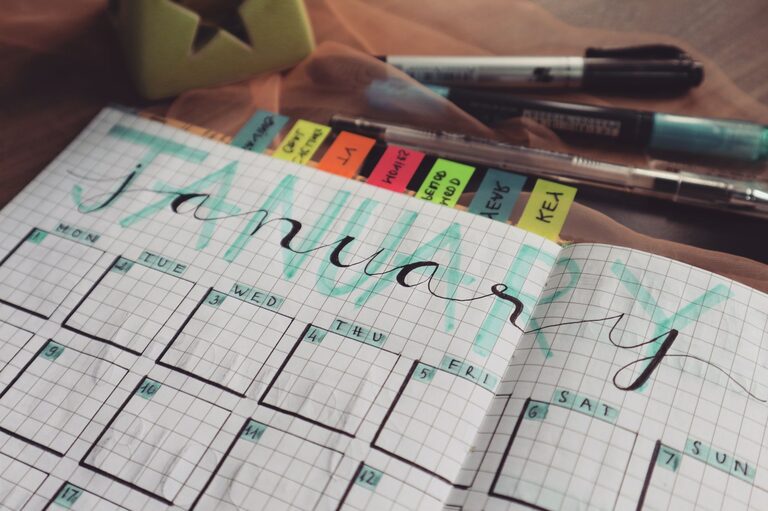
How to Plan a No-Stress Weekend for Ultimate Relaxation
Taking a break from the busy pace of daily life is essential for maintaining balance and well-being. A no-stress weekend can be the perfect way to recharge and reset before the week ahead. But with so many things vying for our attention, planning a weekend that truly feels relaxing can be a challenge. The good news is that with a little preparation and intention, anyone can create a calm, enjoyable weekend experience. Here’s how to plan a no-stress weekend step-by-step.
Why Plan a No-Stress Weekend?
Weekends are often seen as a time to catch up on chores, run errands, or socialize. While these activities are important, they can sometimes add to stress rather than reduce it. Planning ahead allows you to prioritize your relaxation and avoid last-minute obligations. A well-planned weekend can:
– Help you unwind and recharge your energy
– Improve your mood and reduce anxiety
– Enhance focus and productivity for the upcoming week
– Promote healthy habits like better sleep and mindful eating
Step 1: Set Realistic Goals for Your Weekend
Start by thinking about what you really want your weekend to look like. It’s tempting to fill every moment with plans, but leaving room for downtime is key. Ask yourself:
– What activities help me feel relaxed?
– Are there any tasks I want to complete so I don’t worry about them later?
– How much time do I want to spend alone versus with others?
Be honest with your answers. Your goal might simply be to read, take walks, or enjoy some quiet time. Planning with intention makes it easier to say no to things that don’t support your calm.
Step 2: Declutter Your Schedule
Once you have your goals, look at your current plans. Are there appointments or commitments that can be postponed or canceled? It’s okay to protect your time and create space for relaxation.
– Check your calendar and list out all weekend activities.
– Prioritize what’s essential and eliminate non-critical plans.
– Communicate your needs kindly with family or friends if you need alone time.
The fewer interruptions you have, the easier it will be to relax.
Step 3: Prepare in Advance
To reduce stress during the weekend itself, try to prepare ahead:
– Meal prep: Cook simple meals or batch-cook to avoid cooking stress.
– Household tasks: Finish laundry, cleaning, or errands before the weekend.
– Pack your bag: If you’re going outdoors or visiting friends, have everything ready.
Knowing these tasks are taken care of lets you fully enjoy your downtime without nagging to-dos.
Step 4: Create a Relaxing Environment
Your surroundings have a huge impact on how you feel. Spend some time making your space feel cozy and calming:
– Declutter your living area to reduce visual stress.
– Add soft lighting like lamps or candles.
– Play gentle music or nature sounds.
– Use scents like lavender or eucalyptus with essential oils or candles.
A welcoming environment helps your mind and body settle into relaxation.
Step 5: Schedule Relaxing Activities
While a no-stress weekend is about doing less, planning a few enjoyable activities can boost your mood. Consider:
– Taking a leisurely walk in nature
– Reading a favorite book or magazine
– Enjoying a warm bath or meditation session
– Engaging in a hobby like drawing, knitting, or cooking
– Watching a feel-good movie or series
Keep activities flexible and low-pressure. The idea is to enjoy, not to check off a list.
Step 6: Limit Technology Use
Screens can add stress if used too much, especially social media or work emails. Try to:
– Set specific times to check your phone or computer.
– Turn off notifications when possible.
– Engage in offline activities instead.
This digital detox can help your mind rest and reduce distractions.
Step 7: Practice Mindfulness and Self-Care
Mindfulness means being present and fully engaged in the moment. You can practice this during your weekend by:
– Taking deep breaths or doing simple meditation
– Paying attention to your senses—what you see, hear, or feel
– Avoid multitasking and focus on one thing at a time
Also, prioritize self-care routines such as:
– Getting enough sleep
– Drinking plenty of water
– Eating nourishing food
– Doing gentle stretches or yoga
These habits support both body and mind.
Step 8: Be Flexible and Kind to Yourself
Even with the best plans, weekends can bring unexpected changes. Allow yourself to adapt without guilt:
– If you feel tired, rest rather than push yourself.
– If a social invitation feels overwhelming, politely decline.
– Remember that the goal is your wellbeing, not perfection.
Gentleness towards yourself is an important part of reducing stress.
Final Thoughts
Planning a no-stress weekend is about setting intentions, simplifying your schedule, and creating an environment where you can truly relax. By following these steps, you can transform your weekends into restorative mini-retreats that leave you refreshed and ready to face the coming week. Give yourself permission to slow down, enjoy simple pleasures, and prioritize your wellbeing—your mind and body will thank you.
