
How to Plan Meals Using Pantry Staples for Easy, Delicious Cooking
When it comes to cooking at home, having a well-stocked pantry can make meal planning and preparation much easier. Pantry staples are the foundation for many delicious dishes, and with a little planning, you can create satisfying meals without needing to shop frequently. This guide will walk you through how to plan meals using common pantry items to simplify your cooking routine.
Why Plan Meals Around Pantry Staples?
Planning meals around pantry staples helps in several ways:
– Saves time: You already have ingredients on hand, so cooking is quicker.
– Reduces waste: Using what you have means less food goes unused.
– Saves money: Buying staples in bulk and using them creatively reduces grocery bills.
– Encourages creativity: Pantry items can be combined in many ways to make varied meals.
Step 1: Organize Your Pantry
Before you start meal planning, take a moment to organize your pantry. This helps you see what you have and identify any items you might need to restock.
Tips for Pantry Organization:
– Group similar items together (e.g., canned goods, grains, spices).
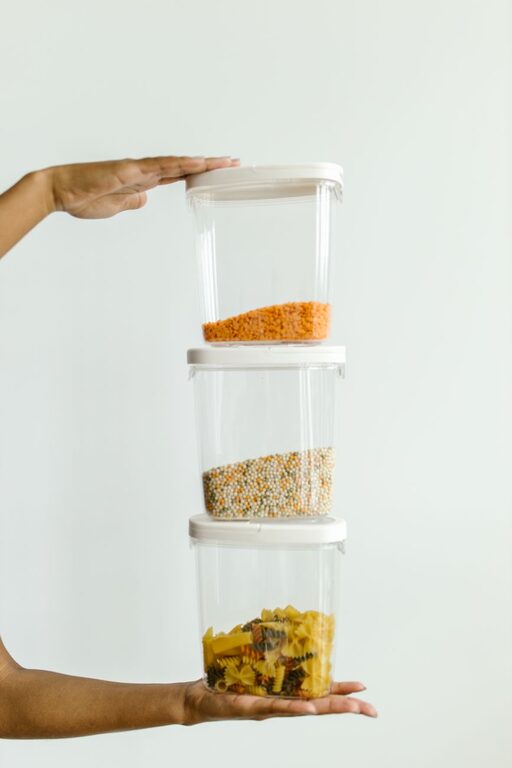
– Use clear containers or labels for easy identification.
– Place frequently used items at eye level.
– Check expiration dates and rotate older items to the front.
Step 2: Identify Your Pantry Staples
Pantry staples can vary by household, but common essentials include:
– Grains: rice, pasta, quinoa, oats
– Canned goods: beans, tomatoes, vegetables, tuna
– Baking ingredients: flour, sugar, baking powder, baking soda
– Oils and vinegars: olive oil, vegetable oil, apple cider vinegar
– Spices and herbs: salt, pepper, garlic powder, chili flakes, dried oregano
– Other basics: broth, nut butters, canned coconut milk, soy sauce
Make a list of the staples you have and keep it handy when planning meals.
Step 3: Choose Meals Based on What You Have
Start by thinking of meals that rely heavily on pantry items. Here are some ideas:
Breakfast Ideas
– Oatmeal with dried fruit and nuts: Use oats with pantry-friendly toppings.
– Pancakes: Flour, baking powder, sugar, and milk or a milk substitute.
– Granola: Combine oats, nuts, honey, and bake for a crunchy treat.
Lunch and Dinner Ideas
– Pasta with tomato sauce: Use canned tomatoes, garlic, and spices for a simple sauce.
– Rice and beans: A nutritious, filling dish using canned beans and rice.
– Soup or stew: Combine broth, canned vegetables, and grains or beans.
– Stir-fries: Use canned or frozen vegetables and soy sauce with rice or noodles.
– Bean chili: Canned beans, tomatoes, chili spices, and onions create a hearty meal.
Step 4: Plan Your Weekly Menu
Using your list of staples and meal ideas, sketch out a simple weekly menu. Include breakfasts, lunches, dinners, and snacks. Planning helps reduce last-minute decisions and ensures you use your pantry efficiently.
Sample Weekly Plan Using Pantry Staples:
| Day | Meal |
|———–|—————————|
| Monday | Oatmeal with nuts and fruit (breakfast), Rice and beans (lunch), Pasta with tomato sauce (dinner) |
| Tuesday | Pancakes (breakfast), Tuna salad (lunch), Vegetable soup (dinner) |
| Wednesday | Granola and yogurt (breakfast), Bean chili (lunch), Stir-fry with rice (dinner) |
| … | … |
Adjust based on your preferences and what fresh ingredients you may also have.
Step 5: Make a Shopping List to Complement Your Pantry
After planning meals around your pantry staples, note any fresh ingredients you need, such as vegetables, fruits, dairy, or proteins like chicken or tofu. Purchasing only these items helps keep your shopping trips focused and budget-friendly.
Step 6: Batch Cook and Store
Cooking in larger batches saves time later in the week. For example:
– Make a big pot of chili or soup and divide it into portions.
– Cook extra rice or pasta to use in multiple meals.
– Prepare pancakes or granola in advance for quick breakfasts.
Store leftovers properly in airtight containers in the fridge or freezer to keep meals fresh.
Additional Tips for Success
– Experiment with spices: Different seasoning combinations can transform the same pantry ingredients into new dishes.
– Use versatile ingredients: Items like canned tomatoes or beans can be used in many recipes.
– Keep a running inventory: Update your pantry list regularly to avoid unnecessary purchases.
– Try new recipes: Exploring recipes that focus on pantry staples keeps meals exciting.
– Involve your family: Get everyone’s input on favorite pantry-based meals.
Conclusion
Planning meals from pantry staples is a smart way to streamline your cooking, save money, and reduce waste. By organizing your pantry, knowing what staples you have, planning a menu, and shopping smartly, you’ll make your mealtime easier and more enjoyable. Give it a try and discover the convenience and creativity pantry cooking can bring to your kitchen routine!
Happy cooking!
